

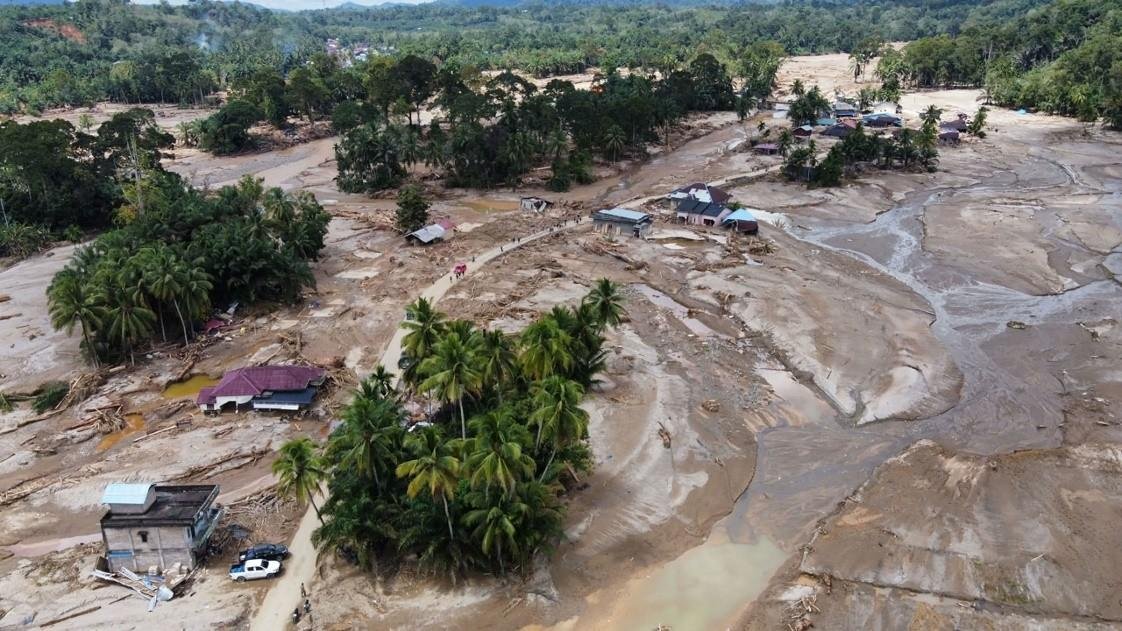
Cyclone Ditwah has unleashed catastrophic devastation across Sri Lanka, marking the deadliest natural disaster the island nation has faced since the 2004 Indian Ocean tsunami. As of December 9, 2025, the death toll has surpassed 630, with close to 200 people still missing and nearly two million affected, almost 10 percent of the country's population. The cyclone, which made landfall on November 28, brought torrential rainfall of 150-500mm over three days, triggering widespread flooding and deadly landslides that have displaced over 63,000 people into temporary shelters. The destruction spans all 25 districts, with more than 75,000 homes damaged and entire villages in the central hill country isolated from the outside world.
The humanitarian crisis intensifies an already dire economic situation. Sri Lanka remains trapped in a debt crisis that saw the country default on approximately USD 35 billion in sovereign debt in 2022. While the government struggles to implement austerity measures under the International Monetary Fund's Extended Fund Facility program, including regressive tax hikes, subsidy cuts, and inadequate social security spending at just 0.6 percent of GDP, the cyclone has compounded the suffering of millions already reeling from economic hardship. The IMF's insistence on achieving a 2.3 percent primary surplus by 2025 and maintaining gross financing needs below 13 percent of GDP from 2027 severely restricts the government's ability to respond effectively to this humanitarian catastrophe and invest in critical infrastructure, livelihood recovery, and climate adaptation measures.
Cyclone Ditwah starkly illustrates the cruel reality of climate injustice. Sri Lanka contributes less than 0.08 percent to global fossil carbon emissions, yet bears the devastating consequences of climate change driven primarily by industrialized nations. The frequency and intensity of extreme weather events, floods, droughts, and landslides, have increased dramatically, with this cyclone bringing some of the worst flooding the country has experienced in two decades. Districts including Kandy, Badulla, Nuwara Eliya, Kurunegala, and Matale in the vulnerable hill country have suffered the highest casualties, exposing how decades of unsustainable development projects, industrial monoculture cultivation, deforestation, and ecosystem disruption have heightened the nation's vulnerability to climate disasters.
Nearly 34 percent of Sri Lanka's population lives in high-risk landslide-prone areas, while more than 4.5 million people inhabit low-lying coastal zones increasingly threatened by extreme weather. The cyclone has severely disrupted agricultural production, waterlogging vast areas of cultivated land and damaging staple crops, creating significant risks for large-scale food shortages in the coming months if urgent support for small-scale producers is not provided. With 6.3 million people already facing food insecurity prior to the disaster, the situation has become critical.
Sri Lanka's debt burden is itself a product of climate injustice. Debt-financed mega-infrastructure projects, highways, deep-sea ports, and energy parks, have bypassed environmental safeguards, displaced communities, destroyed livelihoods, and fueled human-elephant conflicts. These projects, driven by big capital interests and global market priorities rather than local community needs and indigenous peoples' rights, have left marginalized groups including peasant farmers, small-scale fishers, plantation workers, and pastoralists trapped in cycles of economic and ecological harm.
The IMF's debt restructuring program, while providing some relief through the forgiveness of USD 3 billion and restructuring of USD 25 billion in debt over 20 years at lower interest rates, perpetuates what civil society groups characterize as a debt-climate trap. The program's conditions, including currency devaluation, interest rate hikes reaching 15.5 percent, public wage and employment limits, energy subsidy removals, and privatization pressures, compound disaster vulnerability and erode social protections precisely when they are most needed. Recovery and reconstruction costs from Cyclone Ditwah are estimated to reach USD 7 billion, yet the fiscal constraints imposed by the IMF program leave little room for the people-centered investment required.
Adding to civil society concerns, the government's Rebuilding Sri Lanka Committee, established under presidential control to assess requirements, set priorities, and allocate resources for recovery activities, comprises corporate leaders with track records in environmentally destructive energy projects, worker exploitation, and microfinance debt traps. Without meaningful civil society or community representation, these corporate leaders, whose priorities historically favor shareholder value over social equity and ecological sustainability, risk steering recovery toward profit-driven outcomes rather than people-centered restoration.
Sri Lankan civil society collectives, including social movements, trade unions, and advocacy groups, are demanding urgent action. Key demands include halting energy subsidy removals, fuel market pricing, indirect tax hikes, and social welfare cuts that prioritize fiscal consolidation over loss and damage recovery and climate resilience. Civil society groups demand the repudiation of high-interest commercial debt from private creditors, offset against quantified loss and damage. They call for restructuring IMF conditions to exempt loss and damage and climate investments from fiscal targets, redirecting debt savings to finance recovery priorities, and suspending all measures that encourage privatization of state enterprises and natural resources.
Ultimately, civil society demands the restructuring of the Sri Lankan economy by placing the interests of small food producers, workers, women, children, and ecology at the core. They call for massive debt reduction, an immediate standstill on current and future debt servicing, more climate finance as grants rather than loans, and reparations from high-emitting nations responsible for the climate crisis. As Sri Lanka grapples with this unprecedented disaster, the cry for debt justice and climate justice grows louder, demanding a fundamental reimagining of how the international community supports vulnerable nations facing the compounding crises of debt, poverty, and climate catastrophe.

Comments (0)
Sign in to leave a comment
No comments yet. Be the first to comment!